Select Language
Currency Selection
  • In-Situ Raman Spectroelectrochemical Cell (Basic Model)
  • In-Situ Raman Spectroelectrochemical Cell (Basic Model)

In-Situ Raman Spectroelectrochemical Cell (Basic Model)

Product code : LM-EC-RAMAN-BASIC         Comments (0)        Add Comment
Marka :  LabMateryal
-
+

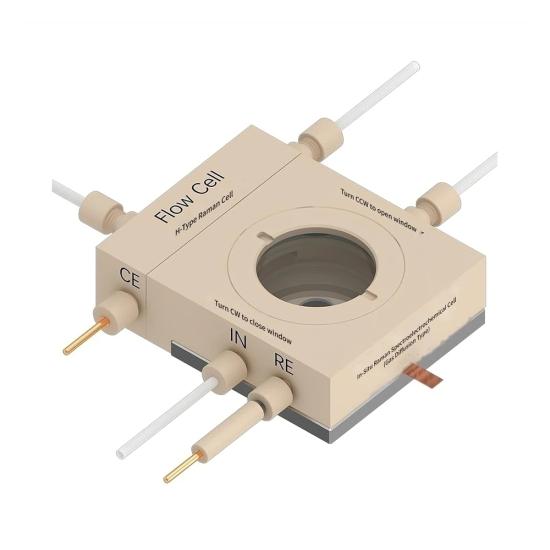
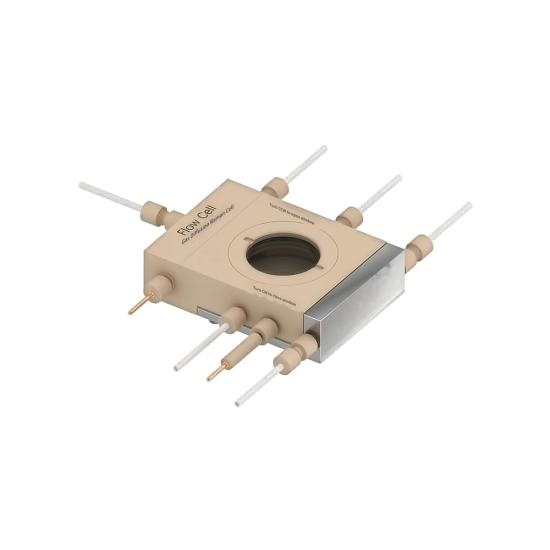
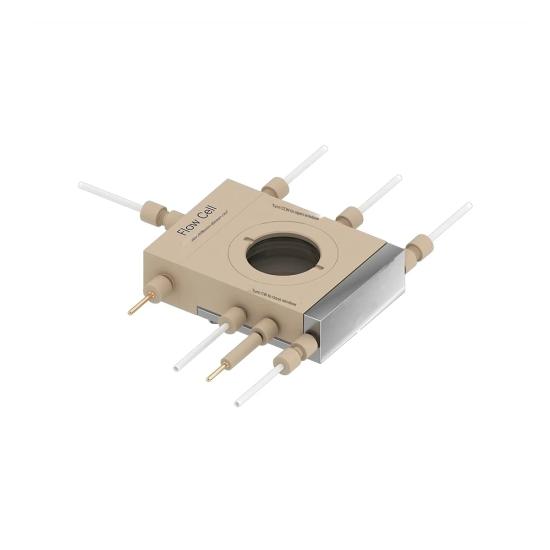
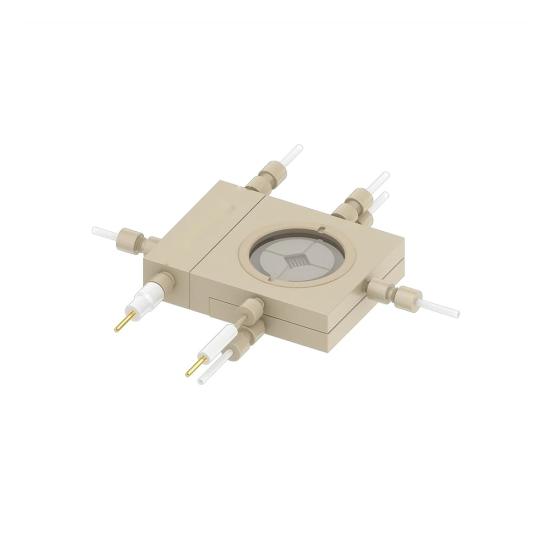
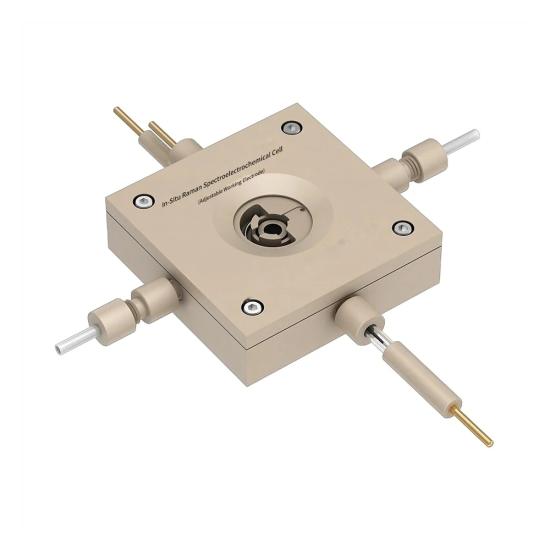
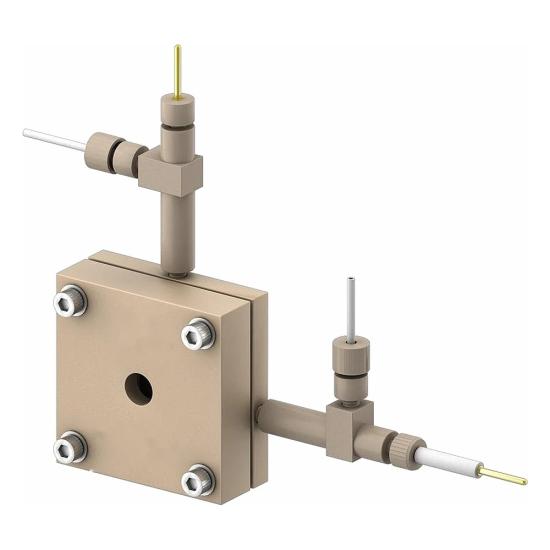
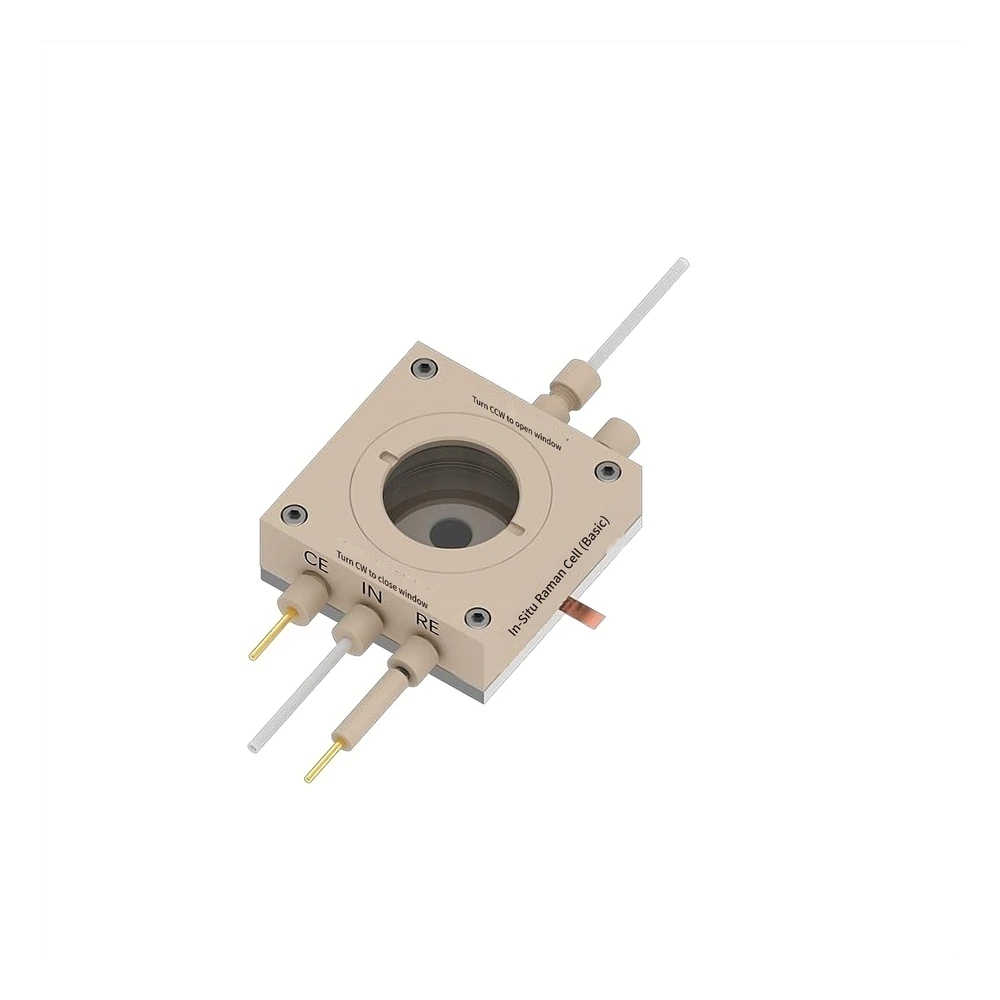
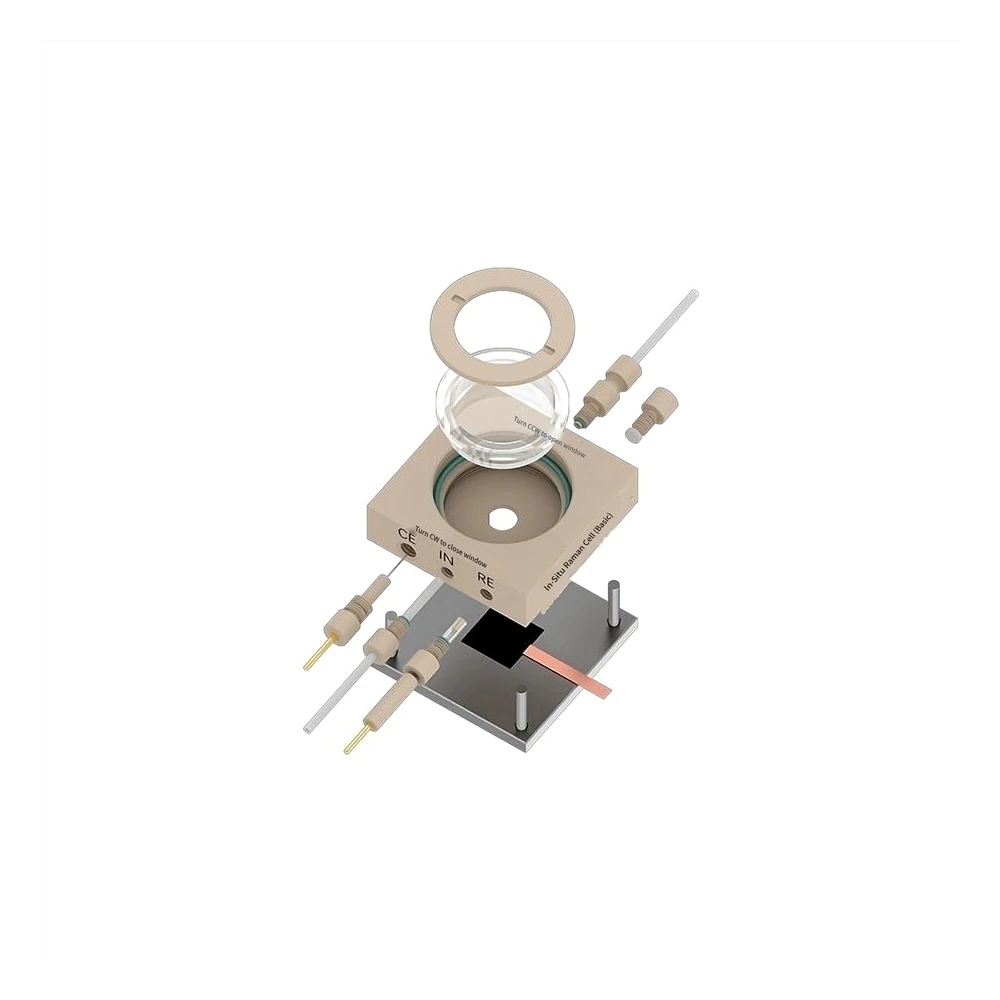
The basic in-situ Raman cell places a sheet-type working electrode directly beneath a quartz window, so the Raman microscope focuses straight onto the electrode surface while potential is applied.

In-situ measurement follows changes at the electrode surface while the experiment is running, so intermediates and structural changes are seen as they form rather than after the test.

Its simple single-chamber, three-electrode layout suits baseline mechanistic experiments in electrocatalysis, battery materials and electrode/electrolyte interface research.

Key Features

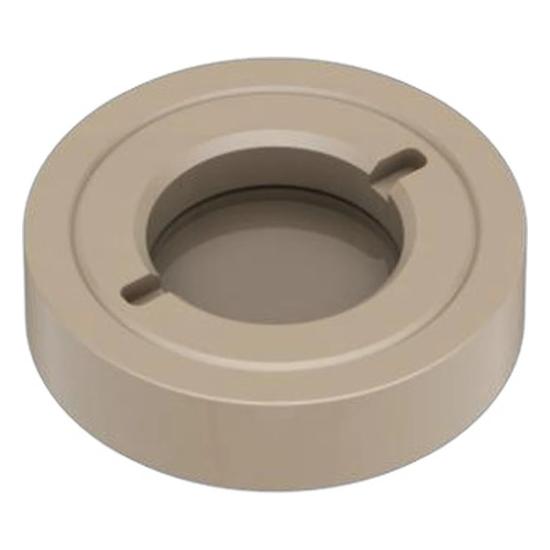
  • Ø37 mm quartz optical window, working electrode–window distance < 6 mm (manufacturer data)
  • Single-chamber, three-electrode design
  • The cell can be connected to a pump for continuous electrolyte flow or filled with a syringe for static measurements.
  • The body is made of PEEK (polyether ether ketone), which resists most acidic and alkaline aqueous electrolytes, and the cell is quick to assemble, disassemble and clean.
  • Supplied as standard with an Ag/AgCl (or Ag/Ag⁺) reference electrode and a platinum wire counter electrode.

Technical Specifications

Cell type Single-chamber, three-electrode
Body PEEK
Optical window Quartz, Ø37 mm
Electrode–window distance < 6 mm (manufacturer data)
Working electrode area 1 cm² (custom on request)
Working electrode Sheet type (Au, Pt, glassy carbon, ITO, FTO, carbon paper) – sold separately
Reference / counter electrode Ag/AgCl or Ag/Ag⁺ / Pt wire (included)

Dimensions, channel sizes and volume can be customised on request; please state special requirements in your quotation request.

Applications

  • In-situ Raman/SERS monitoring of intermediates and adsorbates on the electrode
  • Mechanistic studies of OER, HER, CO₂RR and organic electro-oxidation
  • Following potential-dependent reconstruction of catalyst surfaces
★
★
★
★
★
Total 0 Comment made


Thank you for your comment. Your comment will be published after it is done.
Comment on you
Verification Code


Thank you for your question. You will be notified by email once your question has been answered.
Click to Ask a Question
  No questions have been asked for this product yet.
E-Newsletter
Do you want to be informed first about discounted products and opportunities?
softtr® | Profesyonel E-Ticaret Sistemleri ile hazırlanmıştır.